Light Is Slow — You Just Don’t Live Long Enough to Notice
The fastest thing in the universe is agonisingly slow at cosmic scales. A photon leaving the Sun right now won’t reach Neptune for over four hours.
Nothing Faster
Light moves at 299,792 kilometres per second. That’s not a rough estimate. It is the hard limit of the universe — the speed at which causality itself propagates. Nothing with mass can reach it. Nothing without mass can exceed it.
At that speed, a photon could circle the Earth seven and a half times in a single second. It could cross the Atlantic in under a fiftieth of a second. If you could flick on a torch and somehow watch the beam leave, it would vanish before the signal from your eyes reached your brain.
We are taught that light is fast. Unimaginably fast. And on the scale of anything we experience in daily life, that is true. Light is so fast it might as well be instant.
But the universe is not built on daily-life scales.
The First Delay
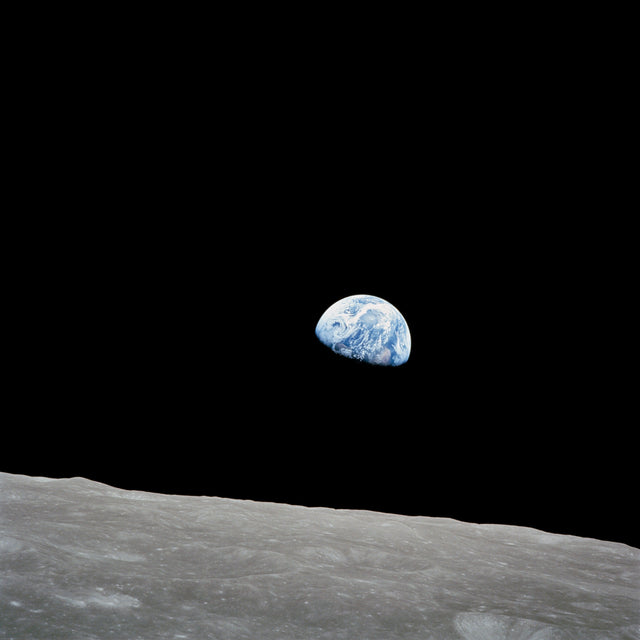
The Moon is 384,400 kilometres away. Light covers that distance in 1.28 seconds.
That sounds fast — and it is. But it means the moonlight falling on your face right now is already 1.28 seconds old. You are not seeing the Moon as it is. You are seeing where it was, just over a second ago. For every object in the sky, there is a delay. And the delays only grow.
When Apollo astronauts spoke to Mission Control from the lunar surface, their words took 1.28 seconds to arrive. Mission Control’s reply took another 1.28 seconds to get back. A 2.56-second round trip — just enough to make conversation feel slightly wrong, like a bad video call. The Moon is the closest thing to us in space, and already the speed of light creates a noticeable lag.
Now look further.
Minutes of Silence
The Sun is 149.6 million kilometres from Earth. Light takes 8 minutes and 20 seconds to make the journey. If the Sun switched off right now — just stopped fusing hydrogen — you would not know for over eight minutes. You would stand in full daylight on a planet orbiting a dead star.
Mars, at its closest approach, is about 55 million kilometres away. That’s roughly 3 minutes at light speed. At its farthest, when it’s on the opposite side of the Sun, it’s 401 million kilometres away — over 22 minutes. When NASA drives a rover on Mars, every command takes between 3 and 22 minutes to arrive. The rover cannot be joysticked. It must be given instructions and trusted to execute them alone, because by the time you see a problem, the crash already happened minutes ago.
This is what the speed of light does to space exploration. It turns real-time control into a letter you send and hope for the best.
“If the Sun switched off right now, you would stand in full daylight on a planet orbiting a dead star — for eight minutes and twenty seconds.”
Hours in the Dark
Jupiter orbits at an average distance of 778 million kilometres from the Sun. Sunlight takes 43 minutes to reach it. From Earth, depending on orbital positions, a signal to the Juno spacecraft takes between 33 and 54 minutes.
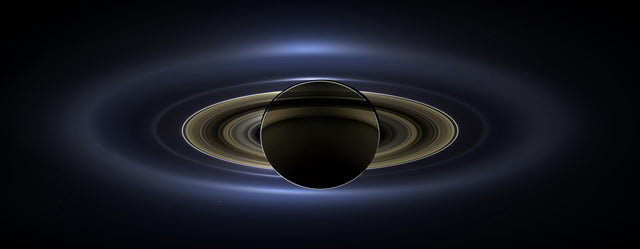
Saturn is further still. At 1.4 billion kilometres from the Sun, light takes about 80 minutes — one hour and twenty minutes — to arrive. When the Cassini probe plunged into Saturn’s atmosphere in 2017, mission controllers watched data that was already 83 minutes old. By the time they saw Cassini’s final signal, the spacecraft had been destroyed for nearly an hour and a half.
Uranus sits at 2.9 billion kilometres. Light time: 2 hours and 40 minutes. Neptune, the outermost planet, orbits at 4.5 billion kilometres. Sunlight takes 4 hours and 10 minutes to reach it. A photon that leaves the Sun at noon arrives at Neptune after 4 pm.
Think about that. The fastest thing in the universe — the absolute cosmic speed limit — takes longer to cross our solar system than most people spend commuting to work.
| Destination | Distance from Sun | Light travel time |
|---|---|---|
| Moon (from Earth) | 384,400 km | 1.3 seconds |
| Sun | 149.6 million km | 8 min 20 sec |
| Mars (closest) | 228 million km | 12 min 40 sec |
| Jupiter | 778 million km | 43 min |
| Saturn | 1.4 billion km | 1 hr 20 min |
| Uranus | 2.9 billion km | 2 hr 40 min |
| Neptune | 4.5 billion km | 4 hr 10 min |
| Proxima Centauri | 4.25 light-years | 4.25 years |
| Andromeda Galaxy | 2.5 million light-years | 2.5 million years |
Postcards from the Edge
In 1977, NASA launched Voyager 1 and Voyager 2. They are the farthest human-made objects from Earth. Voyager 1 is now over 24 billion kilometres away, in interstellar space — beyond the influence of our Sun’s solar wind.
A radio signal from Voyager 1 — travelling at exactly the speed of light — takes over 22 hours to reach Earth. When engineers send a command to the spacecraft, they wait nearly two full days for confirmation. An entire day for the signal to get there. Another entire day for the reply to come back.
And Voyager 1 is nowhere. In cosmic terms, it has barely left the driveway. It has been travelling for nearly 50 years at 61,000 kilometres per hour, and it is still only 0.0006 light-years from home. At its current speed, it would take Voyager 1 about 73,000 years to reach Proxima Centauri — if it were heading in the right direction. It isn’t.
The speed of light makes our fastest spacecraft look stationary.
The Loneliness of Light-Years
Once you leave the solar system, the delays stop being measured in hours and start being measured in years.
Proxima Centauri, the nearest star to our Sun, is 4.25 light-years away. That means the light arriving from it tonight left in early 2022. If a civilisation on a planet orbiting Proxima Centauri sent us a message right now, we would receive it in 2030. Our reply would arrive back in 2034. A single exchange — “Hello.” “Hello.” — would take 8.5 years.
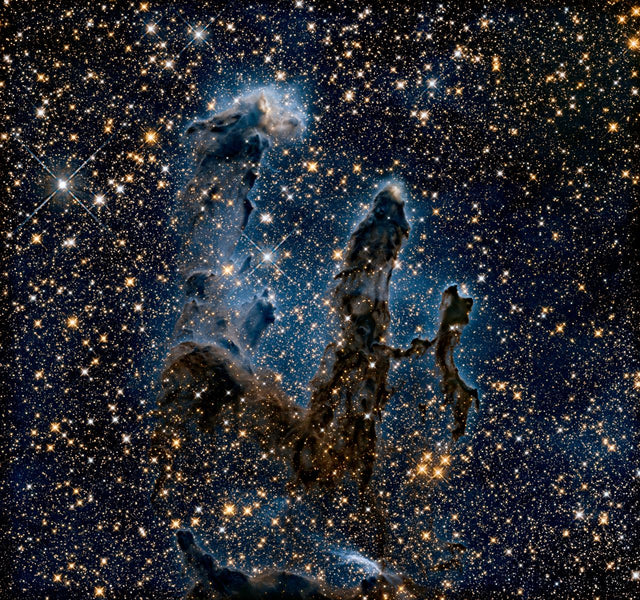
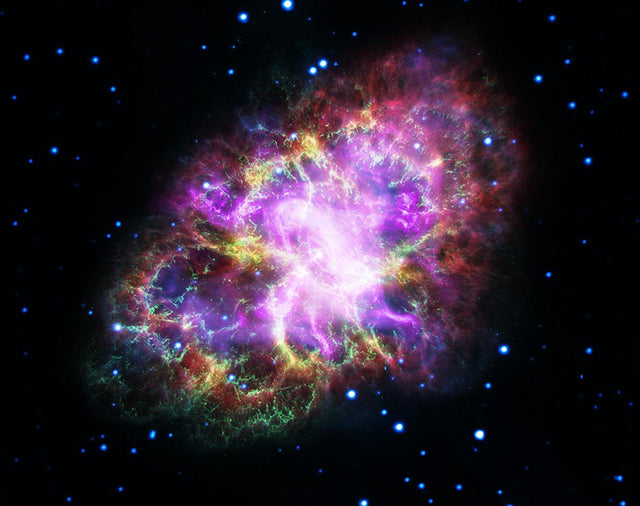
Sirius, the brightest star in the night sky, is 8.6 light-years away. You see it as it was during the late Obama administration. Betelgeuse, the red supergiant in Orion’s shoulder, is roughly 700 light-years away. The light you see from Betelgeuse tonight left around 1326 — decades before the Black Death swept through Europe.
If Betelgeuse exploded yesterday, you will not find out for seven centuries.
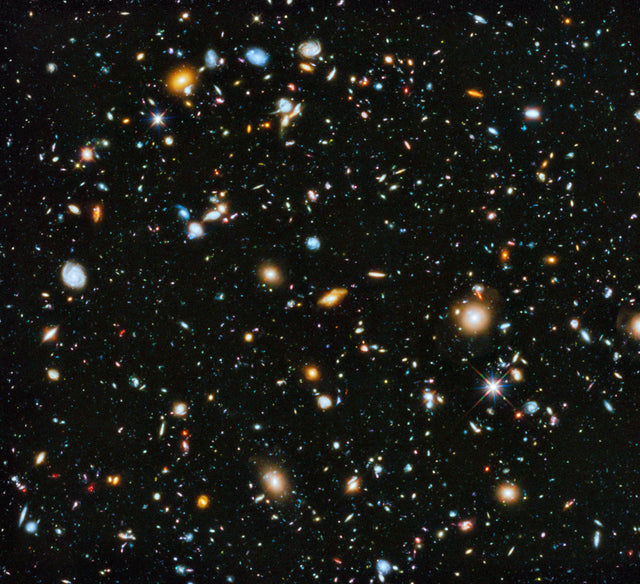
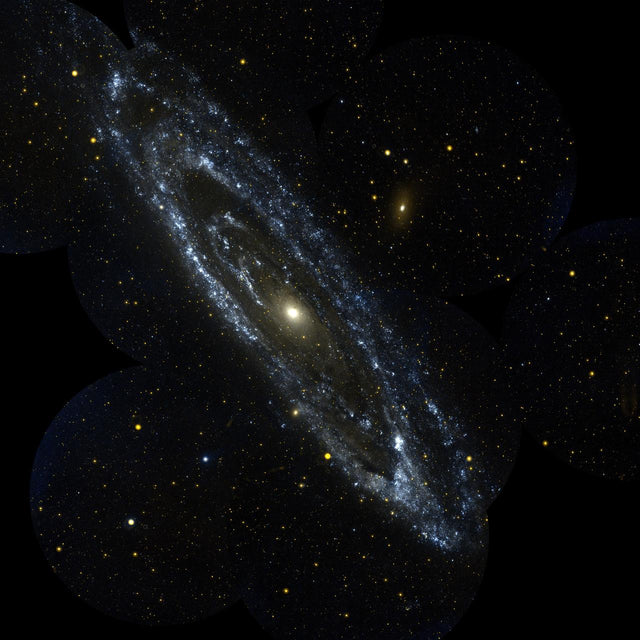
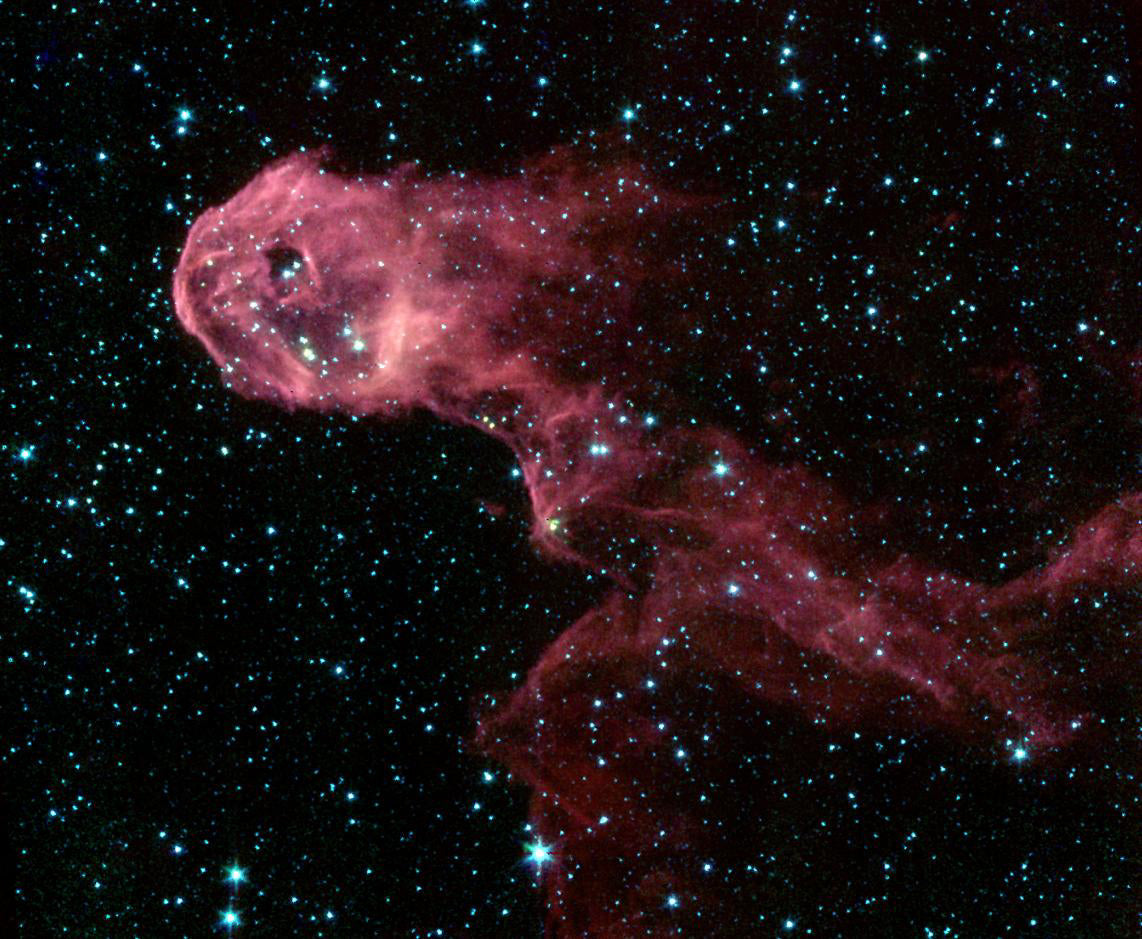
And these are our neighbours. The Milky Way is 100,000 light-years across. A signal from one side to the other would take longer than Homo sapiens has existed. The Andromeda Galaxy, our nearest large neighbour, is 2.5 million light-years away. When the light arriving from Andromeda tonight began its journey, our ancestors were just learning to chip stone tools.
“If Betelgeuse exploded yesterday, you will not find out for seven centuries.”
Alone in the Present
The speed of light is not just a speed. It is a wall. It means that the universe as we see it does not exist. Every object in the sky is a ghost — an image of where something was, not where it is. The further you look, the deeper into the past you see.
It means that if we ever detect a signal from an intelligent civilisation, the civilisation that sent it may already be gone. It means that interstellar travel, even at speeds we cannot currently achieve, would take lifetimes. It means that the universe is not merely large — it is large in a way that isolates everything inside it.
We are all of us trapped in our own light cone: a bubble of space defined by how far light has had time to travel since we were born. Everything outside that bubble is invisible to us. And the bubble grows at only one speed. The fastest speed there is — which is not fast enough.
Light is the fastest thing in the universe. It is also, at every meaningful scale, heartbreakingly slow.